

Feline Health Guide: Do Cats Really Need Multivitamins?
As fellow cat lovers, we understand you want the absolute best for your furry companions. This desire often brings up a common, frequent question, “does my cat need a multivitamin?” It’s a great question, especially with so many pet health products available today. The simple truth is that while a high-quality, complete, and balanced cat food meets most of their nutritional needs, some felines might genuinely benefit from extra support. Supplements are designed to fill specific dietary gaps or help manage certain health needs, such as joint stiffness or digestive balance.
At Belive Petscare, we are an experienced OEM manufacturer for pet supplements, and we are here to share our insight gained from years of professional formulation. Our dedication to creating health products is based on solid pet nutrition principles, guiding every step from initial concept to the final product. This ensures that the supplements we help produce, like multivitamins for cats, are always made to the highest standards for effectiveness and safety.
Do cats actually need extra vitamins and supplements?
The short and simple answer is it depends on the cat’s unique situation.
When Your Cat Probably Doesn’t Need Supplements
We agree with veterinarians. Most healthy cats eating a high-quality commercial diet don’t need extra vitamins. Reputable cat food labeled “complete and balanced” has already been carefully formulated by nutritionists. It already contains all the essential vitamins, minerals, and other nutrients your cat requires for their specific life stage. You can think of this complete cat food as the perfect, all-in-one multivitamin already in their bowl.
When A Cat Might Need Supplements
Based on our experience in supplement formulation, there are certain situations where a multivitamin or a targeted supplement becomes incredibly helpful. While you must always talk to your veterinarian first, supplements are often recommended for cats who fall into one of these categories:
- They Eat a Homemade or Unbalanced Diet: If you prepare a homemade raw or cooked diet for your cat, it’s exceptionally difficult to ensure it is nutritionally complete. We often work with brands that create specific supplements to prevent dangerous deficiencies in these pets.
- They Have Chronic Health Issues: Cats with conditions like kidney disease, diabetes, or gastrointestinal (GI) issues may have trouble absorbing certain nutrients, or they may lose them too quickly. Targeted supplements are often necessary to maintain their health balance.
- They Are Pregnant, Nursing, or Very Old: These life stages put extra nutritional demands on a cat’s body. Senior cats, for instance, often benefit from our clients’ targeted formulations for joint or cognitive support as they age.
Understanding your cat’s unique needs
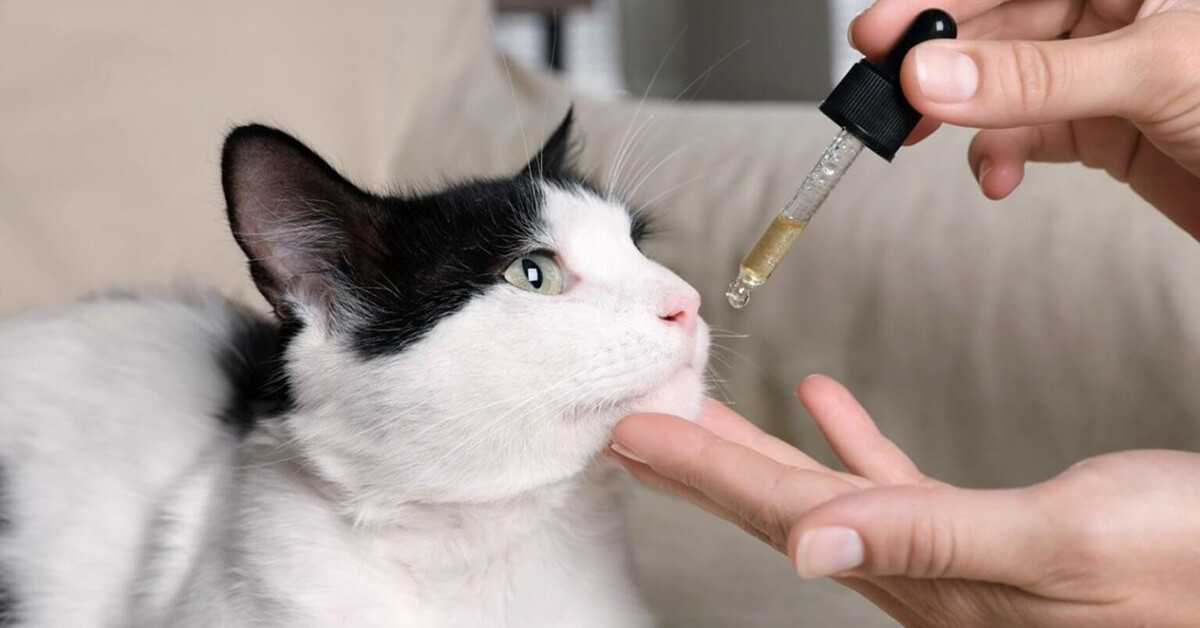
The single most important factor in feline nutrition is recognizing that cats are obligate carnivores. This is not a preference, but a biological necessity, their metabolism is designed to derive energy and essential nutrients almost exclusively from animal tissue.
Unlike dogs and humans (omnivores), cats have unique physiological requirements:
- Protein is Priority: Cats require significantly higher levels of protein to meet their energy needs. They continuously break down amino acids for energy, a process that requires a constant supply from the diet.
- Essential Nutrients: They cannot synthesize critical nutrients, such as Taurine and Vitamin A, which must be supplied directly in meat-based diets.
- Vitamin Synthesis Deficiency: Cats are poor converters of precursor vitamins. For instance, they cannot convert beta-carotene (found in plants) into Vitamin A, nor can they effectively synthesize Vitamin D from sunlight.
The Supplement Rule of Thumb
Because of these unique, non-negotiable dietary needs, reputable commercial cat foods are carefully formulated to be “complete and balanced,” meaning they already contain every necessary vitamin, mineral, and amino acid at the correct ratio.
Supplementation is generally only recommended in two scenarios:
- When a cat is fed a homemade or unbalanced diet (like table scraps or raw meat without proper formulation).
- When a cat has a diagnosed deficiency or condition (such as kidney disease, chronic inflammation, or specific illness) where a veterinarian prescribes a targeted supplement to meet increased demand.
Unnecessary supplementation, especially when feeding a balanced commercial diet, can upset the delicate nutritional balance and lead to toxic overdoses.
The important vitamins and nutrients for feline health
Cats are obligate carnivores, so they have unique nutritional requirements. They must get certain nutrients from animal products because their bodies cannot create them efficiently enough. When we formulate cat multivitamins for our clients, we focus heavily on these crucial elements.
1. Essential B Vitamins: Energy and Metabolism
- What They Do: The B vitamin complex (including B1, B6, and B12) is vital for turning food into energy (metabolism), supporting the nervous system, and producing red blood cells.
- Why It Matters: Many cats with digestive issues can become deficient in B12, making targeted supplementation an important part of their care.
2. Essential Minerals: Bone and Immune Support
- What It Does: Minerals like Calcium, Zinc, and Iron are crucial for bone health, immune system function, and oxygen transport (Iron). They act as co-factors in hundreds of metabolic reactions.
- Why It Matters: Cats require specific mineral balances for optimal health. For instance, Calcium is vital for strong bones, while Zinc promotes faster wound healing and immune response.
3. Taurine: The Heart and Eye Champion
- What It Does: Taurine is an essential amino acid. It is critical for heart muscle function, vision, and maintaining a healthy immune system.
- Why It Matters: A taurine deficiency can lead to serious health problems, including a type of heart failure called dilated cardiomyopathy.
4. Omega Fatty Acids: For Skin, Coat, and Joints
- What They Do: These healthy fats, especially Omega-3s like EPA and DHA, help reduce inflammation throughout the body. They also support brain function and keep the skin healthy and the coat shiny.
- Why It Matters: They are among the most popular supplements we help create for issues like arthritis, allergies, or poor coat quality.
What types of cat supplements are there?

As an OEM manufacturer, we see a wide range of needs. Multivitamins are one option, but many successful supplements target specific areas of health.
1. Comprehensive Multivitamins
These contain a balanced mix of many essential vitamins, minerals, and amino acids like taurine. We recommend these as a general nutritional safety net for cats on incomplete diets or those needing overall health support.
2. Digestive and Gut Health Products
These include probiotics (beneficial bacteria) and prebiotics. They work to rebalance the digestive system, which is great for cats prone to sensitive stomachs, diarrhea, or gas.
3. Joint Support Formulas
We frequently develop formulas containing ingredients like Glucosamine and Chondroitin. These are popular for aging cats and are designed to support the structure and flexibility of joint cartilage, helping ease stiffness.
4. Specialized Immune System Support
These often use specific amino acids like L-lysine or concentrated antioxidant blends to provide a targeted boost to the cat’s natural immune defenses.
Why dosage and measurement matter
It’s important for us to stress that more is not always better. This is exactly why professional formulation is so crucial, and why you must consult a vet before starting any supplement. Accuracy ensures your cat receives the full benefit without any potential for imbalance.
When measurements are not meticulously followed, the delicate balance of nutrients can be disrupted, leading to potential health concerns:
- Fat-Soluble Vitamin Safety: Fat-soluble vitamins (A and D) are stored in the body. If given in excess, these vitamins can accumulate to potentially unsafe levels over time, causing severe issues such as bone abnormalities or organ damage.
- Preventing Mineral Imbalances: Excessive intake of minerals like Calcium or Phosphorus can disrupt the cat’s natural mineral balance. This may potentially lead to serious health issues like urinary stones or skeletal problems.
Our Golden Rule: Always choose products specifically formulated and accurately dosed for cats, using ingredients and measurements verified by experts like the team here at Belive Petscare and, most importantly, approved by your veterinarian.
Conclusion
The decision to give your cat a multivitamin is a thoughtful one that should always be made in consultation with your trusted veterinarian. While high-quality, complete cat food is the foundation of feline health, targeted, high-quality supplements can make a significant difference for cats with unique health requirements or those on special diets.
At Belive Petscare, we play an invaluable role in the pet health industry. As a trusted OEM manufacturer for pet supplements, we empower entrepreneurs and established pet health brands to develop supplements (including the very best multivitamins for cats) with professional formulation, rigorous quality testing, and a focus on core pet nutrition principles. This commitment to science and quality ensures that the supplements we help bring to the market are designed to truly benefit every cat’s health and well-being. Partner with us today to turn your vision into a trusted, high-quality pet supplement brand.


