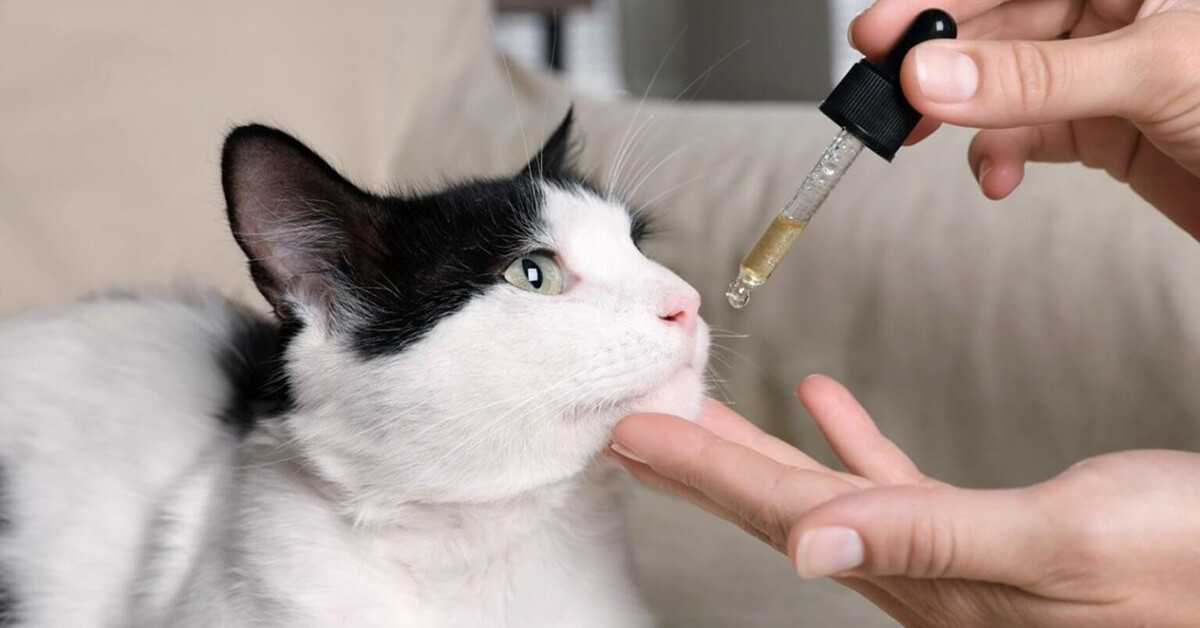
The Ultimate Guide to Vitamins and Supplements for Your Older Dog
Watching your dog age is a privilege, but it often brings new challenges like slower movement, stiff joints, or a cloudier memory. As a loving owner, you want to ensure your loyal companion enjoys their golden years with comfort and vitality. While a high-quality diet is the foundation, supplements for senior dogs can act as targeted support to help manage the common issues of aging.
As a trusted OEM pet supplement manufacturer at Belive Petscare, we partner with visionary brands to co-create exceptional, scientifically-formulated pet health products. We know the right, high-quality supplement can make a huge difference in an older dog’s quality of life. This guide will walk through the key areas where our formulation expertise can help your brand develop targeted supplements to help senior pets truly thrive.
What makes a dog a “senior”
The moment a dog becomes a “senior” isn’t strictly based on one birthday. Instead, it depends largely on their size and breed. Smaller breeds tend to age slower, reaching their senior years around 9 to 11 years old. Giant breeds age much faster, often considered senior by 5 or 6 years old.
As your dog crosses this threshold, you may notice subtle changes:
- Slower Pace: They might take longer to stand up or be less enthusiastic about long walks.
- Slight Confusion: They might occasionally seem disoriented or forget commands.
- Duller Coat: Their coat might lose some shine or develop patches of white fur.
These changes are normal, but they signal that your dog’s nutritional needs are shifting and that targeted support may be beneficial.
Key ingredients for joint comfort
For many senior dogs, the first sign of aging is decreased mobility due to osteoarthritis or general joint wear and tear. High-quality joint supplements are essential for managing this discomfort by supporting the cushion and lubrication within the joints. As experts in formulation, we focus on ingredients that directly support cartilage health:
1. Glucosamine: The Cartilage Building Block
Glucosamine is a naturally occurring compound that is a building block for cartilage, the essential cushion between bones. In older dogs, the body produces less of this compound, leading to wear and tear.
- Function: Glucosamine helps with the repair and maintenance of existing cartilage.
- Benefit: It assists in the production of synovial fluid, which is the natural lubricant for the joints, reducing painful bone-on-bone friction.
2. Chondroitin: The Joint Shock Absorber
Often manufactured alongside Glucosamine for maximum synergy, Chondroitin works to maintain the vital structure of the joint.
- Function: Chondroitin gives cartilage its elasticity and resilience to compression. It helps prevent cartilage breakdown.
- Benefit: It supports the structural integrity of the entire joint, allowing the cartilage to absorb shock effectively and making movement more comfortable.
3. MSM (Methylsulfonylmethane): Anti-Inflammatory
MSM is a highly sought-after component in professional joint formulations due to its proven anti-inflammatory effects.
- Function: This natural sulphur compound acts as a powerful anti-inflammatory agent.
- Benefit: It helps reduce the swelling and stiffness associated with arthritis, providing a smoother, less painful range of motion for aging joints.
Supplements featuring these ingredients can dramatically improve your senior dog’s ability to stand, walk, and enjoy their daily life.
Why Omega-3s are essential
Omega-3 Fatty Acids are among the most powerful supplements you can give a senior dog. They are essential fats that the dog’s body cannot produce on its own and must be derived from the diet, typically from high-quality fish oil. These benefits are systemic, affecting the entire body.
DHA for Cognitive Support
As dogs age, brain function can decline, a condition known as Canine Cognitive Dysfunction or CCD. DHA is the key ingredient to fight this.
- DHA (Docosahexaenoic Acid): This is the most critical Omega-3 for the brain. It makes up a large part of the cell membranes in the brain and retina.
- Benefit: Supplementing with DHA can help slow cognitive decline, keeping your older dog’s mind sharper, improving memory, and potentially reducing disorientation.
EPA for Anti-Inflammatory Action and Mobility
While DHA focuses on the brain, the other major Omega-3, EPA, focuses on the body’s internal environment.
- EPA (Eicosapentaenoic Acid): This fatty acid is a powerful anti-inflammatory.
- Benefit: It supports heart health by improving blood flow and reducing harmful inflammation throughout the body, providing systemic relief that complements the work of joint supplements like Glucosamine.
Boosting your older dog’s immunity and gut health

A strong immune system is vital for older dogs, as their ability to fight off infections naturally declines with age. Furthermore, a dog’s overall health starts in the gut. Supplements can help fortify this critical foundation.
Probiotics and Prebiotics for a Balanced Gut
The digestive tract is home to trillions of bacteria and keeping them balanced is key to overall health.
- Probiotics: These are the beneficial live bacteria that help maintain a healthy gut flora.
- Prebiotics: These act as the specialized food that nourishes the probiotic bacteria, helping them thrive.
- Benefit: A healthy gut biome improves nutrient absorption, reduces digestive upset like gas or diarrhea, and indirectly boosts the immune response since much of the immune system is housed in the gut.
The Role of Digestive Enzymes and Fiber
Targeted supplements can also help senior dogs that have trouble breaking down their food efficiently.
- Digestive Enzymes: These help break down proteins, fats, and carbohydrates, ensuring the older dog’s body can utilize the nutrients from their food even if their natural enzyme production has slowed.
- Fiber: Senior dogs sometimes experience constipation or irregularity. Specific formulas rich in healthy, fermentable fiber can help maintain regularity and keep the digestive system moving comfortably.
Targeting Your Dog’s Vision and Eye Health
As dogs age, their eyes become susceptible to conditions like cataracts and retinal degeneration, which can severely impact their quality of life. Supplements formulated specifically for eye health can provide protective benefits against age-related decline.
Key Eye Nutrients (Lutein & Zeaxanthin)
- Function: These carotenoids are powerful antioxidants that accumulate in the retina. They help protect the sensitive eye tissues from damage caused by blue light and oxidative stress.
- Benefit: Regular supplementation can support the long-term health of the lens and retina, potentially slowing the progression of age-related degeneration and maintaining clearer vision.
Vitamin A (Retinol)
- Function: Vitamin A is absolutely essential for low-light vision and the formation of the visual pigment rhodopsin.
- Benefit: Ensuring adequate levels of Vitamin A is crucial for maintaining good vision, especially in older dogs whose nutritional absorption may be less efficient.
Are multivitamins and antioxidants necessary for aging dogs?
The need for a general multivitamin depends heavily on your dog’s primary diet.
- If your dog eats a complete and balanced commercial food: A multivitamin is usually unnecessary and could potentially lead to an overdose of fat-soluble vitamins (A, D, E, K).
- If your dog eats a homemade or therapeutic diet: A vet-prescribed multivitamin may be essential to fill nutritional gaps that homemade food often misses (Ref: Hill’s Pet).
Antioxidants and Anti-Aging Compounds are highly beneficial for seniors. Aging produces more “free radicals” in the body, which damage cells. Supplements containing Vitamins C and E or other antioxidant blends can help neutralize these free radicals, supporting cell health and immune function.
NMN (Nicotinamide Mononucleotide) for anti-aging
NMN is a cutting-edge compound for anti-aging. It is a direct precursor to NAD+, which is important for cellular energy and DNA repair.
- NMN is synthesized from Vitamin B3 (Niacinamide). It functions by boosting the availability of NAD+ in the cells, helping to reverse age-related mitochondrial dysfunction.
- Benefit: Supplementation supports cellular health, promotes vitality, and helps senior dogs age gracefully by maintaining healthy metabolic function.
Always consult your veterinarian first

This is the most crucial step before starting any supplement regimen for your senior dog.
A veterinarian will perform a full examination and potentially blood work to determine if your dog has any specific deficiencies or underlying health issues that a supplement might affect.
For example, a supplement high in certain minerals could be harmful to a dog with kidney disease. Only your vet can advise you on the correct type and dosage that is safe and effective for your older dog’s unique health profile. Never start a new supplement without professional advice.
Conclusion
Your senior dog deserves the best comfort and health support available. By understanding the specific needs of an older dog, from aching joints to cognitive support, you can choose targeted supplements that truly enhance their life.
At Belive Petscare, we pride ourselves on being a trusted OEM manufacturer for pet supplements. We empower entrepreneurs and established brands to develop products like advanced joint formulas, powerful Omega-3s, and targeted geriatric aids with professional formulation and rigorous quality testing. Our commitment ensures that every supplement brought to market is designed to support the health principles your senior dog needs.
Partner with us today to turn your vision into a trusted, high-quality pet supplement brand.