What Are Pet Vitamin Supplements and How Do They Benefit Pets?

Some vitamins for small puppy

What Are Pet Vitamin Supplements and How Do They Benefit Pets?

Pets are the ultimate companions in our lives, showing unconditional love and affection from the start until the end. As pet owners, we only want the best for our pets. Hence, ensuring they live a healthier life will make us happy too. Aside from food, pet vitamin supplements will help pets enhance and maintain their overall health. In this article, explore all about pet vitamin supplements and how you can consider creating your own brand. 

What Are Pet Vitamin Supplements?

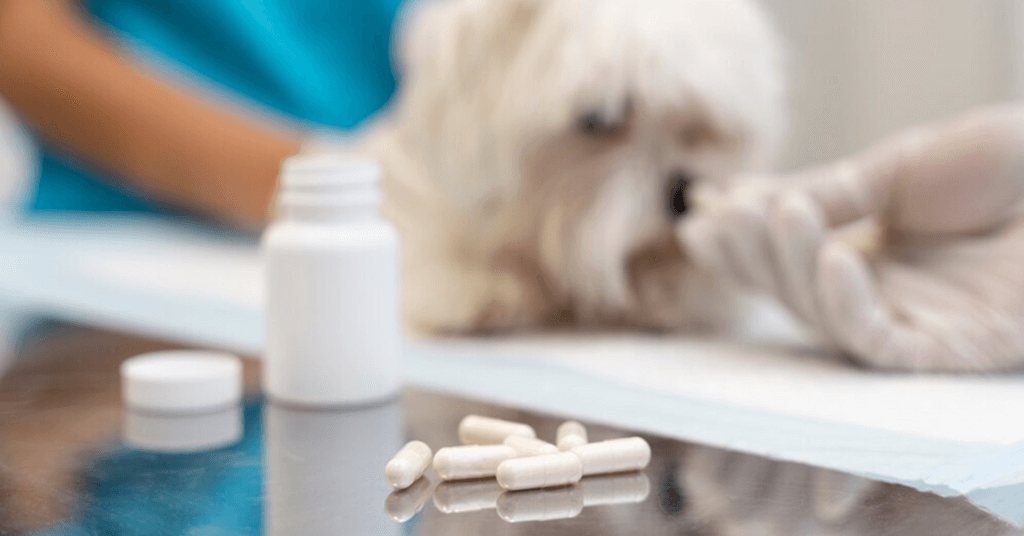
Pet vitamin supplements are products created to provide the essential nutrients required for pets. They typically come in various dosage forms and target specific functions to improve the pet’s health. These pet vitamin supplements are important to provide the necessary nutrients in addition to their daily diet through food. 
Types of Pet Vitamin Supplements

Types of Pet Vitamin Supplements

Various types of pet vitamin supplements are available in the market to help enhance the pet’s overall well-being. Here are the most common types of pet vitamin supplements:

1. Skin and Coat Pet Vitamin Supplements

Skin and coat pet vitamin supplements improve the pet’s fur by reducing shedding, preventing dryness, and soothing skin irritation. 

These pet vitamins will reduce skin inflammation and form a healthy coat, making them suitable for pets prone to skin conditions such as eczema.

2. Immune System Pet Vitamin Supplements

Maintaining a strong immune system is crucial to fight off potential infections. These pet vitamin supplements strengthen the immune system and boost the cat’s natural defence mechanism.

3. Digestive Health Pet Vitamin Supplements

Pets’ overall digestive health should be maintained regularly to prevent issues such as constipation or diarrhoea. 

If pets experience diet changes or stress, their digestive health can be maintained with the help of pet vitamin supplements, especially if they don’t have an appetite. 

4. Stress-relief Pet Vitamin Supplements

Pets who regularly experience anxiety or stress will benefit from pet vitamin supplements that contain stress-relief ingredients. 

L-theanine and Milk Hydrolysate are common ingredients that help calm and soothe pets. They also enhance the production of happy hormones, such as serotonin. 

5. Hip and Joint Pet Vitamin Supplements

Active or older pets will experience hip and joint problems. These pet vitamin supplements will help enhance their flexibility, strengthen the joints, and reduce inflammation. 

These pet vitamin supplements can also help pets who are recovering from injuries or post-surgery.

Signs Your Pet May Need a Pet Vitamin Supplement

Even pets on a high-quality, complete diet can benefit from a targeted vitamin supplement when facing unique challenges. Recognizing the subtle signs of a nutritional gap is the first step toward better health.

Physical Signs

These signs are visible and often relate to deficiencies in certain vitamins or Omega fatty acids:

  • Dull, Dry Coat: Excessive shedding, flakiness, or a lack of luster often points to a need for Vitamin E, Zinc, and essential fatty acids.
  • Cracked or Brittle Nails: This can be a sign of inadequate Biotin or other B-complex vitamins essential for keratin structure.
  • Stiffness or Slowing Down: While common in senior pets, joint discomfort (slow to rise, difficulty jumping) indicates a need for joint-supporting supplements, often paired with anti-inflammatory pet vitamins like Vitamin C.
  • Poor Wound Healing: Slow recovery from cuts or scrapes can be linked to a compromised immune system, suggesting a need for a boost from vitamins A and C.

Behavioural and Digestive Indicators

Changes in energy levels and digestive health are also strong indicators that a pet vitamin supplement regimen may be necessary:

  • Lethargy or Chronic Fatigue: Persistent low energy or decreased interest in play can suggest a deficiency in B-complex vitamins, which are critical for metabolic energy.
  • Chronic Loose Stools: Frequent soft stools or digestive upset is a key sign that a probiotic vitamin supplement is needed to rebalance the gut flora.
  • Stress or Anxiety: Pets exhibiting nervousness or separation anxiety may benefit from L-Theanine or other calming supplements that work with nervous system vitamins.
Most Common Ingredients in Pet Vitamin Supplements

Most Common Ingredients in Pet Vitamin Supplements

Pet vitamin supplements do wonders for our furry friends’ health. Whether in pet supplement powder or other dosage forms, they help to prevent potential health diseases and improve overall well-being in the long run. Some common ingredients are essential to create high-quality pet vitamin supplements. 

1. Vitamin A (Retinol)

Vitamin A is essential for vision and a robust immune response as it supports the growth and differentiation of immune cells. It plays a critical role in maintaining healthy skin and coat, promoting cell renewal, and ensuring the proper function of mucous membranes throughout the body.

2. B Vitamins (B-Complex)

The B-complex (including Thiamine, Riboflavin, and Pyridoxine) is crucial for converting food into usable energy and supporting the central nervous system. These vitamins are essential for pets experiencing stress or high activity levels, as they support metabolism and help maintain mental focus and a healthy appetite.

3. Vitamin E (Tocopherol)

Vitamin E is a powerful, fat-soluble antioxidant that is essential in pet vitamin supplements. It works to protect the body’s cells and tissues from oxidative damage caused by free radicals. This key ingredient helps to support muscle function and promotes a healthy circulatory system.

4. Vitamin D (Calciferol)

Vitamin D is an essential component for regulating calcium and phosphorus balance in the pet’s body. It is crucial for building and maintaining strong bones and teeth. Proper levels of Vitamin D help prevent skeletal abnormalities and support overall bone health, especially in growing and senior pets.

5. Vitamin K

Vitamin K is a vital, fat-soluble vitamin primarily known for its essential role in blood clotting. It is necessary for the synthesis of several proteins that control bleeding, ensuring that the pet’s body can properly respond to injury. While required in small amounts, this vitamin is important for maintaining the body’s ability to stop bleeding and is often included to support overall liver health and bone metabolism.

Frequently Asked Questions about Pet Vitamin Supplements

1. What are the important ingredients in pet vitamin supplements?

Probiotics, glucosamine and chondroitin, l-theanine, and vitamins A, B, C, D, and E are important ingredients to include in pet vitamin supplements.

2. Why do pets require pet vitamins?

Pets should consume pet vitamins so they can maintain good health. Aside from their diet, pet vitamins help them get sufficient nutrients to improve their health, such as boosting their immune system and enhancing skin health. 

3. How to choose the right pet vitamin supplement?

To choose the right pet vitamin supplement, you’ll need to consider the pet’s age, current health condition, dosage forms, and ingredients included in the formula.

4. How do I create my own pet vitamin supplement brand?

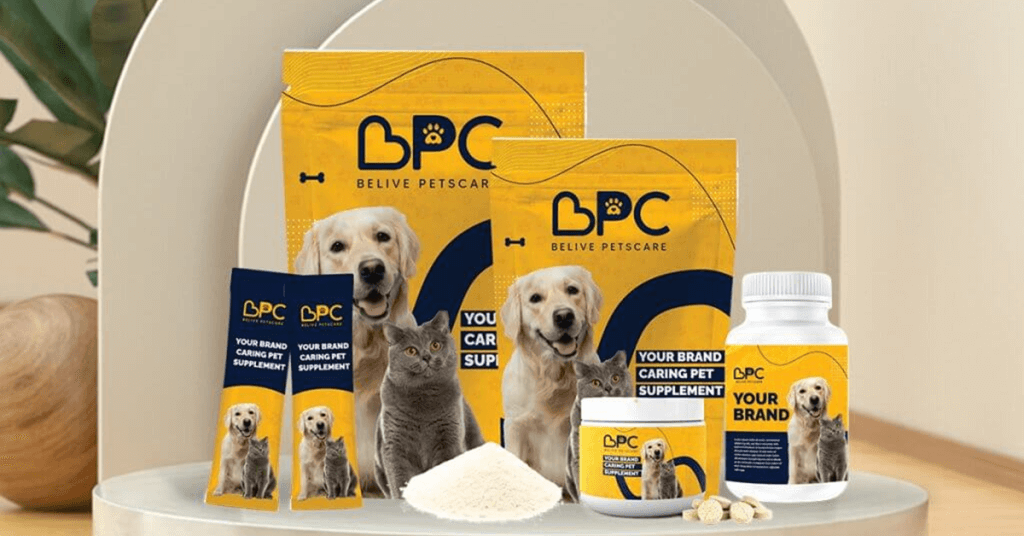
To create your own pet vitamin supplement, you can consider engaging with a professional OEM service provider such as Belive Petscare. We can create your desired formula and include the relevant ingredients in your pet supplement product. 

Create Your Own Pet Vitamin Supplements

Looking to create your own pet vitamin supplements? Let us help you create your own pet supplement brand with our dedicated OEM services. We provide a wide range of pet vitamin supplement formulas and dosage forms tailored to your needs and requirements.

What Are Cat Supplements and How Do They Benefit Pets?

What Are Cat Supplements and How Do They Benefit Pets

What Are Cat Supplements and How Do They Benefit Pets?

Giving our lovely felines cat supplements is essential to ensure their health. Cat supplements help them maintain a balanced, healthy diet on top of their daily food intake. These cat supplements enhance the cat’s health by targeting specific functions such as digestion or joint health. In this article, you will learn everything about cat supplements, the types and common ingredients, and how you can create your own brand of cat supplements.

What Are Cat Supplements?

Cat supplements are products that contain various ingredients to target specific functions and enhance the cat’s overall health. These cat supplements provide additional nutrients for addressing common health issues such as skin irritation, a weak immune system, and constipation. 

Types of Cat Supplements

Types of Cat Supplements

Various types of cat supplements address specific health issues. Here are the most common cat supplements:

1. Gastrointestinal Probiotic Supplementation

There are cat supplements that contain probiotics and other ingredients to improve the cat’s digestive system. 

These cat supplements enhance nutrient absorption and prevent digestive issues such as constipation or diarrhoea. 

Cats who regularly experience irritable bowel syndrome (IBS) or trouble digesting their food would benefit from this cat supplement.

2. Respiratory Health

Certain cats tend to experience several respiratory issues. Thus, cat supplements help to solve breathing issues and improve lung function. 

These cat supplements include ingredients such as vitamin C and L-lysine to enhance respiratory health. 

3. Bone & Joint Health Enhancement

Cats, especially senior cats, tend to develop weak bones and joints over time. They will benefit from cat supplements that enhance mobility and strengthen their bones or joints. 

Cat supplements that enhance the bones and joints typically include the necessary ingredients, such as glucosamine. These essential ingredients help maintain strong bones and flexible mobility and prevent joint strain.

4. Immune System Enhancement

Having a strong immune system is important for fighting potential diseases. Cats can maintain a healthy immune system by consuming cat supplements that boost the body’s natural defence mechanism.

These cat supplements will reduce the risk of infections and help to protect them against environmental stressors. 

5. Liver and Kidney Health

Cats require a healthy liver and kidney to ensure their body is detoxified and have healthy organ function. 

Cat supplements help protect the liver, prevent kidney diseases, and prevent urinary tract infections. 

6. Anti-Aging

To support anti-aging and enhance cognitive function in cats, various supplements are available. These brain health supplements work to improve memory and mental focus.

These cat supplements will support cats with cognitive dysfunction and aid in maintaining overall brain health and vitality as they age.

7. Eye Care Nutrition and Health

Some cats, especially senior cats, develop vision issues over time. Cat supplements help boost their vision and protect them against eye diseases. 

The ingredients to support the cat’s vision will protect the eyes from oxidative damage while improving their night vision.

Types of Feline Supplement Forms

Beyond ingredients, the form of a supplement determines how easy it is to give to your cat. Choosing the right format ensures your cat receives consistent nutritional support without a daily struggle.

1. Chewables and Soft Chews

These supplements are designed to look and taste like treats, making them the easiest to administer. They work especially well for multivitamins and joint support formulas.

  • Pros: Highly palatable, easy to store, and convenient for daily use.
  • Cons: Not suitable for cats with dental issues, and some picky eaters may still reject the flavor.

2. Powders

Powdered supplements are an excellent choice for finicky eaters. They can be sprinkled over canned food or mixed into wet meals to help mask the flavor.

  • Pros: Versatile for mixing, allows precise dosage adjustments, and ideal for probiotics or high-dose ingredients such as fiber.
  • Cons: The cat must finish the full meal to receive the complete dose, and the texture of the food may change slightly.

3. Liquids and Gels

Liquid supplements are absorbed quickly by the digestive system and are usually given through a dropper or syringe directly into the cat’s mouth. They are ideal for precise dosing and quick results.

  • Pros: Fast absorption, great for senior cats or those with low appetites, and ideal for oils such as Omega-3s.
  • Cons: Can be messy, some cats may resist direct feeding, and many require refrigeration.
Most Common Ingredients in Cat Supplements

Most Common Ingredients in Cat Supplements

Cat supplements contain the necessary nutrients to support overall health, such as improving the digestive system, boosting the immune system and strengthening bone health. Cat dietary supplements are crucial to ensure they live a long, healthy life while minimizing the risk of health diseases. 

1. Protein

Protein is essential in cat supplements to support overall muscle development and boost energy levels. Similar to humans, cats require protein to maintain muscles and a healthy weight. Most cat dietary supplements include high-quality protein sources such as chicken or eggs. 

2. NMN (Nicotinamide Mononucleotide)

NMN is an advanced compound gaining traction as a vital ingredient for feline longevity and anti-aging supplements. NMN is important for cellular energy production and DNA repair in all mammals. Supplementation with NMN can help combat age-related decline, promoting better vitality and overall neurological system health in senior cats.

3. Calcium

Calcium is vital for cats to maintain healthy bones and joints. Cat supplements that contain calcium can help them to prevent potential bone diseases and maintain strong skeletal health.

4. Iron

Iron is often included in cat supplements as it supports red blood cell production, ensuring cats have sufficient oxygen. Cats may experience low energy levels, fatigue, or anaemia without adequate iron.

5. Zinc

Cat supplements often include zinc, which can promote faster healing, boost immune functions and improve skin health. Cat vitamin supplements include zinc to improve skin hydration, preventing the cat from shedding excessively.

When and How to Use Cat Supplements Safely

For cat owners, knowing when and how to safely incorporate a dietary supplement into their feline companion’s routine is vital. Supplements are powerful tools, but they should be used thoughtfully. 

Consult Your Veterinarian

Before introducing any feline supplement, it is crucial to consult your vet. Supplements should never be used as a replacement for veterinary diagnosis or medication. A blood panel or physical exam can reveal deficiencies or underlying conditions that a supplement alone cannot fix. Your vet can provide tailored advice on:

  • Necessity: Confirming if the supplement is truly needed for your cat’s specific health profile.
  • Dosage: Calculating the precise, safe amount based on your cat’s weight, age, and existing diet.

When Cat Supplements Are Most Recommended

While quality commercial food provides baseline nutrition, there are key scenarios where cat supplements become highly beneficial:

  • Specific Life Stages: Kittens require support for rapid development, and senior cats benefit from joint, kidney, and cognitive support supplements.
  • Existing Health Conditions: Cats with diagnosed conditions like early-stage kidney disease, arthritis, or chronic skin allergies can often benefit from targeted formulas (e.g., Omega-3s or Glucosamine).
  • Homemade or Restricted Diets: If your cat is on a non-commercial, homemade, or elimination diet, a dietary supplement is often essential to ensure all necessary vitamins (like Taurine, a key feline necessity) and minerals are present.

Tips for Successful Supplement Administration

To ensure your cat gets the full benefit of a supplement:

  • Start Slow: Introduce supplements gradually to avoid digestive upset.
  • Mix with Favourites: Chewables can be treated as snacks, while powders or liquids are best mixed into a small amount of highly palatable wet food or a lickable treat.
  • Avoid Over-Supplementation: More is not better. Adhere strictly to the recommended daily dosage to prevent nutrient toxicity, especially with fat-soluble vitamins (A, D, E, and K).

Integrating a Dietary Supplement into Your Cat’s Daily Diet

Understanding where a dietary supplement fits into your cat’s overall nutrition is key to effective supplementation. Unlike a complete and balanced cat food, a supplement is designed to fill specific nutritional gaps or provide a therapeutic boost.

Supplementation vs. Complete Nutrition

A cat dietary supplement is a complementary product, not a replacement for your cat’s main food source. A high-quality commercial cat food is already formulated to meet baseline nutritional requirements established by bodies like AAFCO. Supplements step in when:

  • Age or Health Changes: Increased needs due to aging, pregnancy, or recovery from surgery.
  • Dietary Gaps: To address specific deficiencies confirmed by a vet.
  • Specific Benefits: Providing therapeutic levels of certain nutrients, like Glucosamine for joints, that may not be sufficiently high in regular kibble.

Supporting Specialized Cat Diets

The need for a dietary supplement is particularly high for cats on certain feeding routines:

  • Homemade Diets: Unless formulated by a veterinary nutritionist, homemade diets almost always require a multi-vitamin and mineral supplement to prevent severe deficiencies (especially of essential amino acids like Taurine).
  • Prescription/Veterinary Diets: While these are balanced for a condition, a vet may recommend a targeted cat supplement to boost a specific function, such as an extra Omega-3 oil to support coat health while on a limited-ingredient diet.

Weight Management Diets: Supplements containing L-Carnitine can be beneficial for supporting metabolism and muscle retention during a healthy weight loss program.

Frequently Asked Questions about Cat Supplements & Vitamins

1. What are the important ingredients in cat supplements and vitamins?

Most cat multivitamin supplements include zinc, protein, iron, calcium and other vitamins such as A, B, D, E and K. These nutrients combined help to improve the cat’s overall health and well-being in the long run.

2. Why do cats need to consume cat multivitamins?

Cats should consume cat multivitamins to maintain good health and gain them through their daily food. Cat supplements generally provide various health benefits, such as improving metabolism, boosting the immune system, and supporting joint and bone health. 

3. How to choose the right cat vitamin supplement?

Choosing a suitable cat vitamin supplement depends on several important factors, such as age, health condition, dosage form, and overall lifestyle.

4. How do I create my own cat supplement or vitamin supplement brand?

Creating your own cat supplement or vitamin supplement brand can be done with a trusted OEM partner such as Belive Petscare. We can help you build your brand and supplement products based on your desired vision.

Create Your Own Cat Supplements & Vitamins

Are you looking to create your own cat supplements and vitamins? With our dedicated OEM services, we can help you create your own pet supplement brand. We provide a wide range of cat supplement formulas and dosage forms tailored to your needs and requirements.
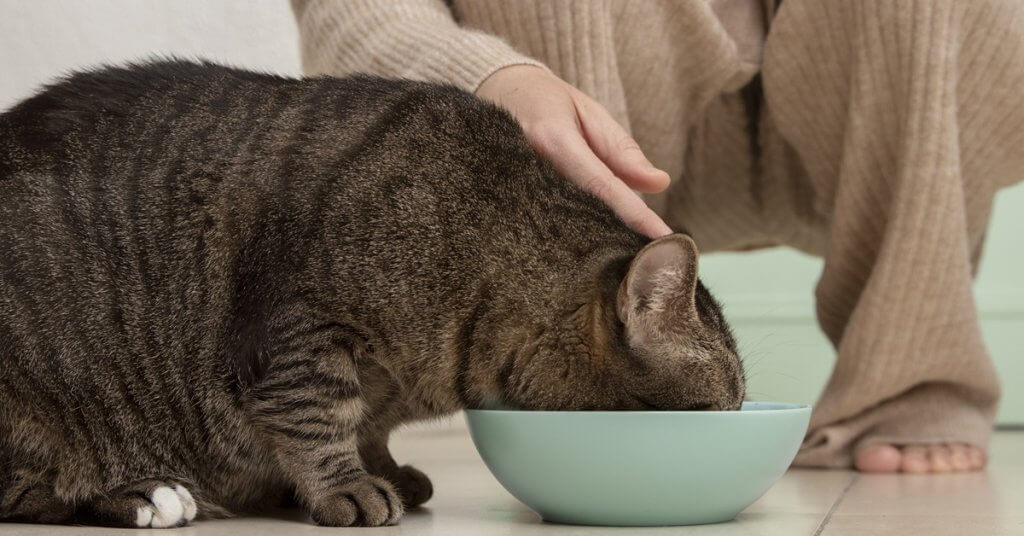
What Are Dog Supplements and Vitamins, and How Do They Benefit Your Pet?

What Are Dog Supplements and How Do They Benefit Your Pet

What Are Dog Supplements and Vitamins, and How Do They Benefit Your Pet?

Pet owners are always more than willing to enhance their pets’ health and ensure they live happy, healthy lives. Although dogs can get the nutrients they need through food, they should also consume additional nutrients to ensure optimal health. In this article, learn about dog supplements, the different types, common ingredients, and how to create your own brand. 

What Are Dog Supplements? 

Dog supplements contain various nutrients to enhance the dog’s overall health and well-being. They typically include essential ingredients to improve health, such as skin and coat, joint, heart health and so on. They go hand-in-hand with the dog’s daily diet to ensure they receive sufficient nutrients through food and dog supplements.

Type of Dog Supplements 

Type of Dog Supplements 

There are different types of dog supplements that target specific functions of the dog’s health. Here are some of the most common types:

1. Gastrointestinal Probiotic Supplementation

These dog supplements help to support the dog’s gut health and digestion to maintain a balanced microbiome. 

The dog supplements typically contain probiotics, known as good bacteria and prebiotics, which are food for good bacteria. 

The benefits include preventing constipation, diarrhoea and bloating.

2. Respiratory Health

Respiratory health dog supplements help support the dog’s overall respiratory system and lung function. 

These dog supplements enable dogs to breathe properly without facing any difficulties. 

Dogs who have asthma or chronic respiratory conditions will benefit from these supplements.

3. Eye Care Nutrition and Health

Dog supplements for eye care, nutrition, and health help dogs have better vision and prevent the risk of eye diseases. 

These dog supplements protect the dog’s eyes from damage caused by free radicals or other external factors while supporting overall eye tissue health.

4. Bone & Joint Health Enhancement

To enhance the dog’s bones and joints, dog supplements that include ingredients such as calcium and glucosamine will help to prevent fractures or improve overall flexibility. 

This will be especially beneficial for older or active dogs to strengthen their bones and joints.

5. Skin and Coat Health

There are dog supplements that improve the skin and coat health by preventing them from getting skin diseases. 

These dog supplements will protect the skin and coat from external damage and help manage any allergies or skin irritations. 

6. Anti-Aging

To support anti-aging and enhance cognitive function in dogs, various supplements are available. 

These dog supplements are designed to improve memory and learning abilities, while also helping to prevent senior dogs from experiencing age-related cognitive decline and dementia.

7. Immune System Enhancement

You can also find dog supplements that boost the dog’s immune system to prevent the risk of health diseases. 

They can support recovery, such as post-surgery or any other illness, while also preventing any future infections. 

Choosing the Right Dog Supplement Form: Chewable, Liquid, or Powder?

When choosing a supplement for your dog, the form is almost as important as the ingredients. The best option is one your dog enjoys and that fits easily into your daily routine.

1. Supplement Powder

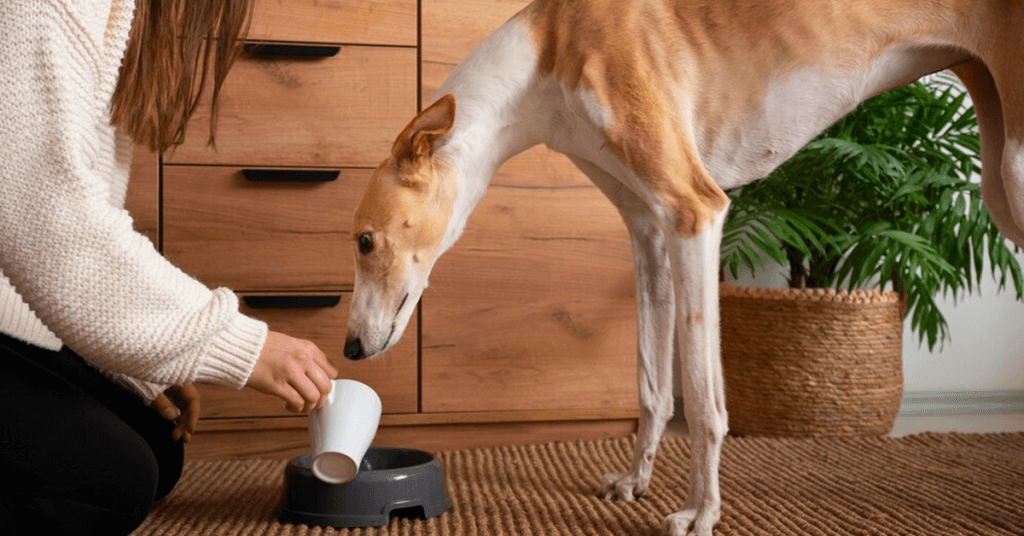
Powdered supplements are popular for their flexibility. They can be sprinkled or mixed into your dog’s regular wet or dry food, making them ideal for picky eaters who might avoid pills hidden in treats.

  • Pros: Easy to mix with food, suitable for higher-dose products such as glucosamine or probiotics, and allows precise dosage adjustments by weight.
  • Cons: May settle at the bottom of the bowl and requires your dog to finish the full meal to receive the complete dose.

2. Liquid Supplements

Liquid supplements are quickly absorbed, providing fast results.

  • Pros: Rapid absorption, great for senior dogs or those with dental issues, and can be administered directly into the mouth.
  • Cons: Can be messy, may need refrigeration, and dosage must be measured carefully.

3. Chewables and Tablets

Chewables and tablets are the most convenient and familiar formats, often made to taste like treats.

  • Pros: Convenient, palatable, easy to store or travel with, and ensures a full dosage in one serving.
  • Cons: Some dogs may reject the taste, and tablets can be hard for small or older dogs to swallow.
Most Common Ingredients in Dog Supplements

Most Common Ingredients in Dog Supplements

Dog supplements contain the necessary ingredients to support and improve the overall health of dogs. Whether powder or liquid dog supplements, they are crucial in ensuring dogs maintain a healthy lifestyle. However, choosing the right ingredients for dog supplements is essential to ensure they receive the best nutrients. 

1. Glucosamine

Glucosamine is one of the most important ingredients in dog supplements, whether in liquid or powder form. It is a common ingredient in most dog supplements in Malaysia as it helps to improve their joints and ensure they live a pain-free life.

2. NMN (Nicotinamide Mononucleotide)

NMN is gaining recognition as a cutting-edge ingredient in anti-aging supplements for dogs. As a direct precursor to NAD+, it is vital for cellular energy production and DNA repair. NMN supports longevity by combating age-related decline, helping to boost overall vitality, improve muscle endurance, and maintain a healthy neurological system in aging dogs.

3. Fish Oil

Fish Oil is another common ingredient in dog supplements as it contains omega-3 fatty acids which supports the brain, coat and skin health. Most dog supplements will include fish oil combined with other ingredients to enhance the joint health and reduce inflammation. It is essential to include in supplement for dogs as it can prevent further health issues.

4. Multivitamins & Minerals

Multivitamins and minerals are essential components often included in dog supplements to support the dog’s immune system and help fight against potential health diseases. These compounds, which often include ingredients like Vitamins C and E, are crucial for maintaining cellular health and resilience. They support various bodily functions, improving overall skin condition and contributing to the pet’s long-term well-being.

5. Probiotics

Probiotics are typically included in dog supplements to improve the dog’s digestive system. Probiotics are essential to maintaining a healthy balance of good and bad bacteria in the gut. They also improve nutrient absorption to ensure the dog can support a healthier digestive system.

What is Dog Vitamin Supplements

While all supplements enhance a dog’s diet, vitamin supplements are specifically formulated to provide essential micronutrients that the body needs for critical biological functions. Unlike a broad spectrum supplement for dogs like a joint formula, a vitamin supplement targets common deficiencies and supports overall cellular health, immunity, and energy. Here are some examples of vitamin supplements for dogs:

1. Vitamin A (Vision & Immune Health)

Vitamin A is a fat-soluble nutrient that helps maintain healthy vision, especially in low light. It also supports immune function and promotes the growth of healthy skin and mucous membranes. Deficiencies are rare in dogs fed a quality diet, but can lead to impaired eyesight and weaker immunity.

2. B-Complex Vitamins (Energy & Metabolism)

The B-complex group, including B1 (Thiamin), B6 (Pyridoxine), and B12 (Cobalamin), helps convert food into usable energy. These water-soluble vitamins also support nerve function, red blood cell production, and overall vitality. Dogs under stress or with digestive issues may benefit from additional B-complex support.

3. Vitamin C & E (Antioxidants and Skin Health)

Vitamins C and E act as antioxidants that protect the body from harmful free radicals. Although dogs can naturally produce Vitamin C, supplementation can be helpful during periods of stress or illness. Vitamin E works together with Omega fatty acids to support skin, coat, and muscle health while strengthening the immune system.

4. Vitamin D (Calcium Absorption & Bone Health)

Known as the “sunshine vitamin,” Vitamin D helps the body absorb calcium and phosphorus, two minerals essential for strong bones and teeth. It also plays a role in maintaining healthy nerve and immune system functions, making it a vital part of a balanced vitamin supplement routine.

When and How to Use Dog Supplements Safely

For owners looking to enhance their dog’s health with a supplement, proper timing and administration are crucial. A dietary supplement is a valuable tool, but it requires careful use to ensure efficacy and safety.

The Importance of Consulting Your Veterinarian

Before introducing any supplements to your dogs, you should always consult your vet. Supplements should never be used as a replacement for veterinary diagnosis or prescription medication. Your vet can:

  • Assess Necessity: Confirm any underlying deficiencies or conditions that necessitate supplementation, such as poor mobility, digestive distress.
  • Calculate Dosage: Determine the precise, safe amount based on your dog’s specific needs, breed size, and weight, especially for large or giant breeds.

When Dog Supplements Are Most Recommended

The need for a supplement often arises during key periods of a dog’s life or due to specific circumstances:

  • Life Stages: Highly active sporting dogs, growing puppies of large breeds, and senior dogs often require targeted support (like Glucosamine for joints).
  • Dietary Gaps: Dogs on restricted or specialized diets, or those on therapeutic weight management programs, may need a specific vitamin supplement to maintain complete nutrition.
  • Preventative Care: Certain breeds prone to joint issues (like German Shepherds or Golden Retrievers) can benefit from preventative joint supplements starting early.

Tips for Successful Administration

  • Picky Eaters: If using a supplement powder, mix it thoroughly with wet food, broth, or a favourite human food treat, like yogurt or peanut butter.
  • Direct Dosing: Liquids can be syringed directly into the mouth or poured over food for fast absorption.

Avoid Overdosing: Always adhere strictly to the recommended daily dosage to prevent nutrient toxicity, particularly with fat-soluble vitamins (A, D, E, and K).

Frequently Asked Questions about Dog Supplements & Vitamins

1. What are the important ingredients in dog supplements and vitamins?

Some of the essential ingredients in dog supplements and vitamins are fish oil, multivitamins, probiotics, glucosamine and antioxidants. These ingredients help to improve the dog’s overall health.

2. Why do dogs need dog vitamin supplements or any supplements?

Dogs need supplements to ensure good health, aside from consuming the nutrients in their daily diet. Dog supplements also help them to maintain a healthy lifestyle by boosting immune system, support joint health, enhance skin health and improve their digestive system.

3. How to choose the right dog vitamins or supplements?

To choose the right dog vitamins and supplements, you’ll have to consider the dog’s age, size, ingredients, dosage form, and current health status.

4. How do I create my own dog supplement or vitamin supplement brand?

You can create your own dog supplement or vitamin supplement brand with Belive Petscare, a reputable manufacturer offering OEM services in Malaysia.

Create Your Own Dog Supplements & Vitamins

Looking to create your own dog supplements and vitamins? Let us help you create your own pet supplement brand with our dedicated OEM services. We provide a wide range of dog supplement formulas and dosage forms tailored to your needs and requirements.

How To Start A Pet Business in 2025

How To Start A Pet Business

How To Start A Pet Business in 2025

Pet owners are always seeking ways to make their pets healthier and happier, which is why the pet industry has been booming over the years. From supplements to grooming, anyone who wishes to start a pet business will find themselves embarking on an exciting journey.

If you’re wondering how to start a pet business, in this article, we explain thoroughly the steps needed to ensure a successful venture:

What is a pet business?

A pet business is a business that offers products or services to enhance the lives of pets. Pet owners are willing to invest in their furry friends, so a pet business is where they go for various needs such as supplements, food, and grooming.

Some of the profitable pet businesses are pet supplements, pet grooming, pet boarding, pet food and pet training. 

Why should you start a pet business?

If you’re wondering why you should consider starting a pet business, here are some reasons why it’s worth the investment:

  • It’s a growing industry: The pet industry continues to grow yearly as more people get pets and find ways to help them live healthier lives.
  • It’s a profitable business: Pet owners are willing to spend money on their beloved pets, so your business will earn consistent income every month.
  • It doesn’t require high upfront costs: Starting your pet business may not require a significant upfront cost, but it also depends on your business model.
  • It can reach a broad target audience: Many pet owners worldwide. You can target both local and international customers. 
  • It can be fulfilling and satisfying: If you’re a pet lover, starting a pet business can be rewarding and fulfil your passion in the pet industry. 
Guie on How to start a pet business

How to start a pet business? 

If you’re not sure how to start a pet business, here are the basic essential steps to get started on your new journey:

1. Research the market

Once you decide to start a pet business, the first step is to perform market research. To do so, you need to know the pet industry inside and out. 

Find out what customers are looking for and examine the trends to know what products or services are in demand. For instance, more pet owners are prioritizing healthy, natural food instead of processed ones. 

Identify your main competitors who sell the same product or service. Check out their pricing, unique selling points (USPs), and available products or services. 

Try to figure out how to stand out with your pet business. If you can identify your unique selling point, you can know how to differentiate yourself from competitors.

2. Choose a pet business idea

Once you’ve researched your market, you can decide which pet business to go for. Narrow down based on the niche and whether it is a product or service. 

If your pet business is product-based, decide which product category to focus on, such as pet toys, supplements, accessories, food, etc. Avoid choosing too many categories, as this may confuse your target audience about your business. 

If it’s a service-based pet business, choose which service to offer, such as grooming, boarding, or training services. The service should be something you’re familiar with so that you can ensure the business operates smoothly under your care. 

Build a brand for your pet business

3. Build a brand for your pet business

Now it’s time to build a brand for your pet business! Although you’ve chosen a trending and in-demand pet business, many competitors are still in the market. Your branding makes your pet business stand out among the crowd. 

Branding is essential for building relationships with your audience and connecting with them emotionally. Customers are more inclined to engage with a business they can relate to or connect with. 

To build a brand, you must create a unique name that represents your business. You must also build a brand personality and create an image for your target audience. 

4. Come up with a business plan

A business plan is an essential step when starting a pet business. It will guide you through the operation of the company, ways to earn income, and effective ways to reach your target audience.

You must plan your financials, target audience, operational structure, and legal requirements. This is so that whenever you encounter any obstacles, you can always refer to the business plan for guidance.

Sell your pet product or service

5. Sell your product or service

Once the business plan is complete, you can decide how to sell your product or service. Decide whether you’ll solely be an online pet business or perhaps run your business through a physical store. 

You’ll also have to factor in the cost of selling your pet product or service. Creating your business might require upfront costs. 

6. Market your product or service

Marketing your pet business is key to success. If you’re a brand new pet business, you have to find ways to get the attention of your target audience. Narrow down some go-to- marketing strategies, such as digital or offline marketing. 

Finding which marketing strategy works best for you may require some trial and error. However, as a new pet business, you should try all marketing strategies to gain your target audience’s attention and spread brand awareness.

Start A Pet Supplement Business Today

After learning about how to start a pet business, you might be inspired to take action and get things going. If you’re keen on starting a pet business, consider venturing into the pet supplement category! We at Belive Petscare offer OEM services to curate specialized, high-quality pet supplements aligned with your business vision. Contact us for further information on how we can help you start your own pet supplement brand. 

Guide On How To Choose The Best Dog Multivitamins in 2025

Guide On How To Choose The Best Dog Multivitamins

Guide On How To Choose The Best Dog Multivitamins in 2025

Just like humans, dogs require several nutrients to maintain a healthy lifestyle. As pet owners, we are always finding ways to help improve our dog’s health. That said, dog multivitamin supplements are the best way to ensure they get the proper nutrients. In this article, learn more about a dog multivitamin, its benefits, and the best dog multivitamin ingredients to look out for.

What is a dog multivitamin? 

A dog multivitamin is a supplement that provides a wide range of nutrients to boost a dog’s overall health. Supplements can be created in various dosage forms, such as chewable tablets, liquids, powders, or capsules. 

Dog multivitamin supplements are usually created to target specific issues, such as joint or bone health, skin or coat health, respiratory health, eye health, or digestive health.  

Why is it important to give dogs multivitamins? 

Humans need essential vitamins and minerals to maintain a healthy life. This applies to dogs as well. They need to maintain a healthy and well-balanced diet to prevent getting diseases. Some of the reasons why dogs need multivitamins are:

  • Boost immune system: Vitamins found in dog multivitamins can help to improve the immune system, reducing the risk of diseases and other health issues.
  • Support overall mental and physical health: Multivitamins help dogs live longer and maintain a healthy body and mind.
  • Address specific health conditions: Dog multivitamins are usually formulated to target and help cure particular health conditions.
  • Maintain a healthy coat: The nutrients in dog multivitamins will help ensure the dog’s fur is healthy and well-maintained.

Does your dog truly need a multivitamin?

For a pet owner, the first question should be about your dog’s food. Most healthy dogs eating a high-quality commercial diet labelled as “complete and balanced” usually do not need extra dog vitamin supplements. Adding them unnecessarily can upset your dog’s nutritional balance.

Local regulations, such as those overseen by the Department of Veterinary Services (DVS) in Malaysia, aim to ensure the quality and safety of animal feed. Manufacturers adhere to these local requirements, ensuring the pet food sold in Malaysia meets the necessary standards for safety, quality, and complete nutrition.

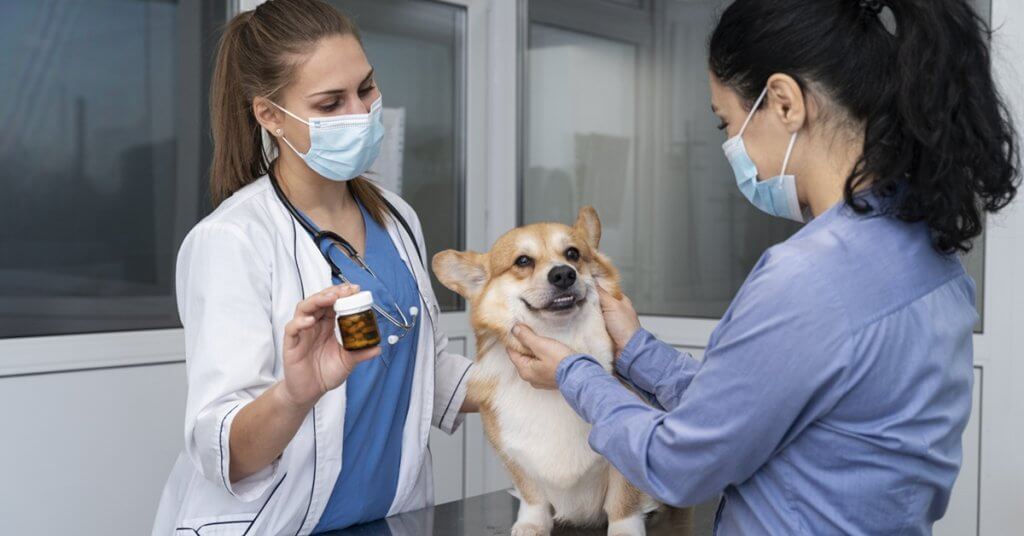
The Key Takeaway: Always consult a licensed veterinarian first. They can perform a full health check and blood work to accurately determine if your dog has any deficiency that requires a supplement for dogs.

Why Dosage and Measurement Matter

While high-quality supplements are vital for filling nutritional gaps, the process requires scientific precision. This is exactly why professional formulation and adherence to veterinarian-prescribed dosages are crucial. Accurate measurement ensures your pet receives the full benefit without any potential for imbalance.

Following the Dosage Guidelines

When measurements are not meticulously followed, the delicate balance of nutrients can be disrupted, leading to potential health concerns:

  • Fat-Soluble Vitamin Safety: Fat-soluble vitamins (A, D, E, and K) are stored in the body. Using more than the recommended amount can cause these vitamins to accumulate to potentially unsafe levels. This is why strict adherence to the dosage specified by your vet or trusted manufacturer is necessary.
  • Preventing Mineral Imbalances: Excessive intake of minerals like Calcium or Phosphorus can disrupt the body’s natural balance. For instance, in growing large-breed puppies, unsupervised supplementation can lead to excessive calcium intake, potentially causing severe skeletal issues like Hip Dysplasia.
  • The Necessity of Canine-Specific Products: Never use a multivitamin formulated for people. The concentration of certain ingredients is often far too high for a canine body and may contain substances that are toxic to them.

The Solution: All supplements must be used strictly according to the dosage instructions provided by a veterinarian or stated by a trusted manufacturer. This commitment to accuracy ensures your dog gets the benefits safely and effectively.

How do you give dogs multivitamins

How do you give dogs multivitamins? 

There are a few common ways to provide dogs with multivitamins: food, treats, or dog supplements. Owners can choose all of the methods to provide the proper nutrients for the dogs, depending on the situation and lifestyle preferences. 

For instance, if you prefer dogs to get the nutrients they need through food, you can feed them the necessary meals. Nevertheless, you will need to determine which type of food provides sufficient nutrients and how many servings are required daily.

Thus, an easier and more convenient way to feed your dog nutrients, dog supplements are the way to go. 

What are the best dog multivitamins ingredients? 

If you’re wondering what kind of ingredients to look out for in dog multivitamin supplements, here are some of the essential vitamins: 

1. Vitamin C

Vitamin C is another essential ingredient in dog multivitamins, as it can boost dogs’ immune systems, reduce their risk of health diseases, and increase collagen production for healthy skin, fur, and joints. 

2. Vitamin A & E

Vitamins A & E are essential ingredients in dog multivitamins to maintain a healthy life. 

Vitamin A is important in improving the dog’s eye health and vision. It also enhances immune functions and has antioxidant properties to maintain healthy skin.

Vitamin E, on the other hand, acts as an antioxidant to protect the dog’s cells against potential damage from free radicals. It also boosts muscle functions and supports heart health.

3. B Vitamins

The best dog multivitamin supplements should also have B Vitamins. B Vitamins, such as B3, B6, and B12, are crucial for the dog’s nervous system and energy metabolism. They help keep the dogs active while maintaining a healthy nervous system without making them too hyperactive. 

Some B Vitamins can also help to improve the dog’s cognitive functions and immune system, fighting against diseases or infections.

Other essential nutrients for dogs

Other essential nutrients for dogs

Besides vitamins, many other dog multivitamin supplements include other nutrients that provide various health benefits. Here are some essential nutrients to consider when purchasing dog multivitamin supplements:

1. Glucosamine 

Glucosamine is important for dogs to support cartilage and joint health. This ingredient benefits large breeds or elderly dogs with joint or cartilage issues as it can help to repair and reduce inflammation. Thus improving overall mobility and quality of life.

2. Omega-3 and Omega-6 Fatty Acids

The essential fatty acids needed for dogs are omega-3 and omega-6, as dogs don’t naturally produce them. These ingredients are important as they help support various physiological functions, the immune system, cell membrane structure, and brain health.

3. Probiotics

Probiotics are also essential in as they aid the digestive system. It can prevent dogs from experiencing diarrhoea or other digestive issues such as constipation. 

Probiotics also help balance the good and bad bacteria in a dog’s gut, ensuring the dog can digest its food properly. 

4. Magnesium

The best dog multivitamins should also include magnesium, which supports muscle function, energy production, heart health, bone health, and the immune system. It also supports hormone production, which is crucial during dogs’ development or growth.

5. Calcium

Another essential ingredient in dog multivitamins is calcium, which supports bone health, teeth development, muscle functions, and nerve transmission. It also helps prevent blood from clotting and is known to avoid seizures or muscle tremors. 

Key Nutrients You Might Not Know About

Beyond the well-known vitamins and minerals, a comprehensive supplement for dogs or multivitamin formula may include these less common but essential nutrients:

  • Vitamin K: This fat-soluble dog vitamin supplement is absolutely necessary for the proper clotting of blood, which is vital for healing wounds. It also plays a role in supporting strong bones.
  • Choline: A critical component for healthy cell membranes, Choline is essential for proper brain function and liver health. It is sometimes used as a part of treatment for certain neurological conditions.

Phosphorus: This mineral works closely with Calcium and Vitamin D. It is crucial for maintaining bone strength, healthy teeth, and energy metabolism in all life stages, especially when using dog supplements powder for homemade diets.

What factors should be considered before giving dogs multivitamins

What factors should be considered before giving dogs multivitamins? 

Before choosing the best dog multivitamin supplements, there are several factors to consider, such as:

  • Dog’s age: Puppies, young or senior dogs have different needs. It’s best to determine what nutrients are needed based on the dog’s age.
  • Dog’s weight or size: The weight or size contributes to the nutrients needed.
  • Dog’s breed: Certain breeds require specific nutrients or are prone to diseases such as heart attack or skin issues.
  • Dog’s diet: The dog’s diet may already have sufficient multivitamins, but it’s best to check the nutrients in the food. 
  • Health issues or conditions: If dogs already have specific skin conditions, they may require specific multivitamins to treat them.

How to ensure you’re buying a quality dog supplement

If your vet has recommended a specific dog supplements powder or chew, here are steps you can take to ensure you purchase a high-quality product:

  • Focus on Manufacturing Standards: Look for brands that clearly state their commitment to quality assurance, such as adhering to Good Manufacturing Practices (GMP). Reputable Malaysian manufacturers often rely on in-house veterinary and nutritionist teams which may mention compliance with local Department of Veterinary Services (DVS) guidelines. This dedication to quality control is a strong sign of product reliability.
  • Choose Dog-Specific Products: Always select products explicitly formulated and dosed for dogs. Avoid the temptation to adjust human supplements or vitamins for your dog, as the concentrations are often dangerous for canines.
  • Read the Guaranteed Analysis: The label should clearly state the minimum and maximum amounts of the active ingredients. This Guaranteed Analysis is essential for high-potency dog supplements powder as it confirms you are giving the correct dosage recommended by your vet.
  • Check for International Quality Seals (for Imported Products): If you are buying a supplement imported from the US, look for the National Animal Supplement Council (NASC) Quality Seal. This seal indicates the manufacturer follows strict quality control, testing, and labeling standards, providing an extra layer of assurance for that specific segment of the market.

Create Your Own Dog Multivitamin Supplements With Us

Are you planning on making a positive impact in the pet industry? Consider creating your pet supplement brand with us! We provide OEM services to produce your dog’s multivitamin supplements based on your ideas. Contact us today, and let us bring your dreams to reality and help your pets live healthier lives.

15 Profitable Pet Business Ideas in 2025

15 Profitable Pet Business Ideas in 2025

15 Profitable Pet Business Ideas in 2025

The pet industry is booming as more pet owners want to provide the best life for their furry friends. Passionate pet owners are willing to go above and beyond to care for their pets, which is why the industry is becoming a hot topic lately. Starting a pet business wouldn’t be such a bad idea, especially since pet owners always look for ways to make their lives easier while caring for their pets. 

If you love pets and are looking for some pet business ideas, in this article, we compile some of the most profitable options and steps on how to start your new business venture: 

Why Start a Pet Business? 

Starting a pet business is a great way to build a profitable business and positively impact the industry. Here are some of the reasons why you should venture into the pet industry:

  • High demand: The pet industry is rapidly growing as pet owners wish to spend more on their furry friends. Thus creating a higher demand for various pet services and products. 
  • Wide range of opportunities: The pet industry offers endless opportunities, including different business models such as retail and grooming.
  • Positively impact pets’ lives: If you love animals, your products or services can help them lead better lives.

Is a Pet Business Considered Profitable? 

Yes, pet businesses are profitable as they are a growing industry. There is a high demand for various types of pet products and services. From food to grooming and pet supplements, pet owners are more than willing to spend money on their beloved pets for all kinds of purposes. 

What are Some Pet Business Ideas To Consider? 

Here are some of the profitable pet business ideas to consider if you’re looking for a new business venture:

1. Pet Daycare/Sitting

pet business ideas to consider Pet Daycare

Some pet owners simply don’t have the time to take care of their pets, especially if they are young or old and have specific health issues. A popular pet business idea is to open a pet daycare for busy pet owners. 

Pet daycares are also an excellent way for pets to socialize with each other. You can have it in a dedicated space or simply within your home. Most pet owners who are busy at work or going on vacation for a few days would engage with pet daycare services.

Pet sitting, although similar to pet daycare, is like babysitting but for animals. You can provide pet sitting services for pet owners who only need temporary assistance without having to take their pets out of their own homes. You’ll have to send someone over to take care of their pets temporarily in their homes. 

2. Pet Supplements 

Pet Business Ideas to Consider Pet Supplements

Pet supplements are in demand as pet owners are careful about addressing various health concerns, such as joint issues, skin health, brain health, and immune system health. Therefore, it’s a great pet business idea if you wish to help cure pet issues and concerns. 

You can start a pet supplement business selling a third-party brand or create your own OEM brand of supplements with manufacturers such as Belive Petscare. Having an OEM pet supplement brand will be ideal as you can take full control of the branding and quality of the product. However, you’ll need to apply for the required licenses before you can start a pet supplement business.

3. Pet Training

Pet Business Ideas to Consider Pet Training

Do you love to teach pets cool tricks and skills? Then pet training is a suitable pet business idea for you. You can open a pet training school and teach pets how to be obedient and other important skills, such as pawing or sitting down. Pet owners who don’t have the time or skill to teach their pets basic training will engage with a professional. 

4. Pet Grooming

Pet Business Ideas to Consider Pet Grooming

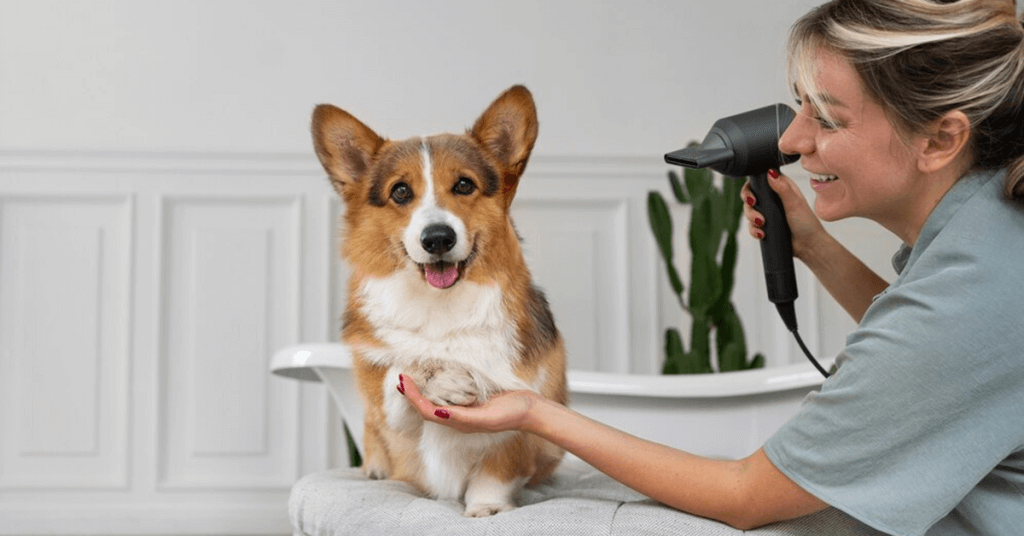
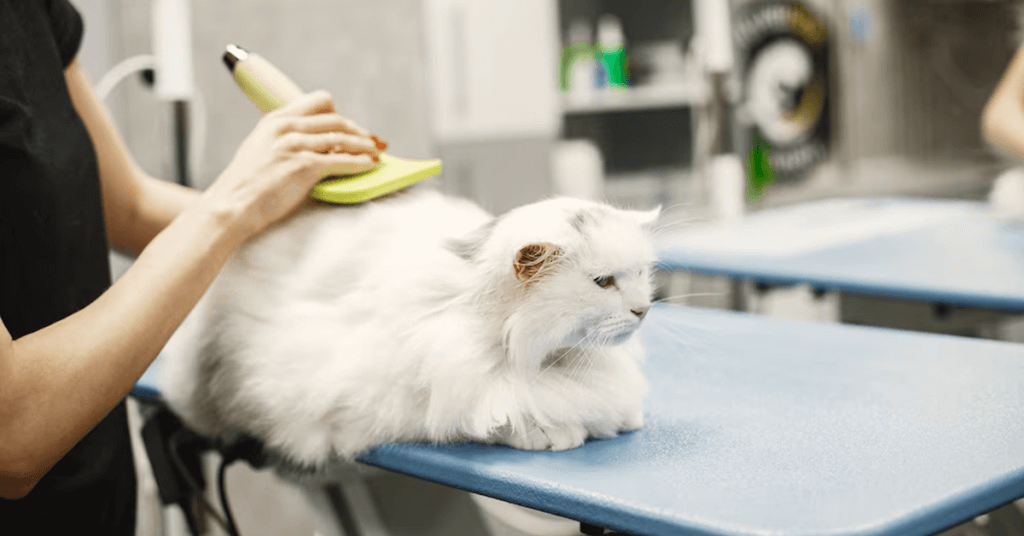
Do you have a passion for pet grooming? Consider it a pet business idea and start your own grooming centre. Pet owners, especially those with special breeds, are more likely to engage with pet grooming services to keep their fur clean. 

There are many breeds which require frequent grooming to maintain a healthy coat. You can offer services such as nail trimming, fur brushing, or ear cleaning. 

5. Pet Clothing and Accessories

Pet Business Ideas to Consider Pet Clothing and Accessories

Pet owners love dressing up their furry friends in cute and comfortable outfits. A good pet business idea is to create an online store selling pet clothing and accessories, such as collars and shoes. 

You can also offer customized services to include the pet’s name on the apparel. An online store would minimize the upfront costs compared to a physical store, so you can start with just an e-commerce store before venturing into physical outlets. 

6. Pet Subscription Box

Pet Business Ideas to Consider Pet Subscription Box

One pet business idea that has recently grown in popularity is a pet subscription box. Sometimes, pet owners can’t decide what kind of toys and treats to get their pets, so a subscription box will be helpful as it includes a wide variety of items. You can offer customers different subscription models, such as weekly or monthly. 

7. Pet Bakery

Pet Business Ideas to Consider Pet Bakery

Do you love baking? If you love both pets and baking, starting a pet bakery will be your perfect pet business idea! Since pet owners can’t give human food or treats, you can bake pet-friendly baked goods that include safe ingredients for pets. You can make it a fully organic pet bakery store or a regular bakery selling pet-safe products. 

You also also provide customized bakery services such as creating custom cakes for pets birthdays or special occasions. Some pet owners love to celebrate special occasions for their pets!

8. Pet Toys

Pet Business Ideas to Consider Pet Toys

If you have a knack for picking the right pet toys, consider selling them as an in-demand pet business idea. Many pet owners buy cute, durable toys to keep them entertained. 

You can offer many toys, such as enrichment toys, to keep their minds engaged. If you decide to sell pet toys, consider an e-commerce store to keep your costs low and reach a global audience. 

9. Pet Food

Pet Business Ideas to Consider Pet Food

Pet food is, without a doubt, the most common pet business idea, as all pet owners have to feed their furry friends. Some pets can only eat specific diets due to their health or skin conditions. Thus, you can create a pet food that addresses particular diets, such as organic or vegan. You can also include subscription-based options for recurring income each month. 

10. Pet Hair & Skin Care

Pet Business Ideas to Consider Pet Hair & Skin Care

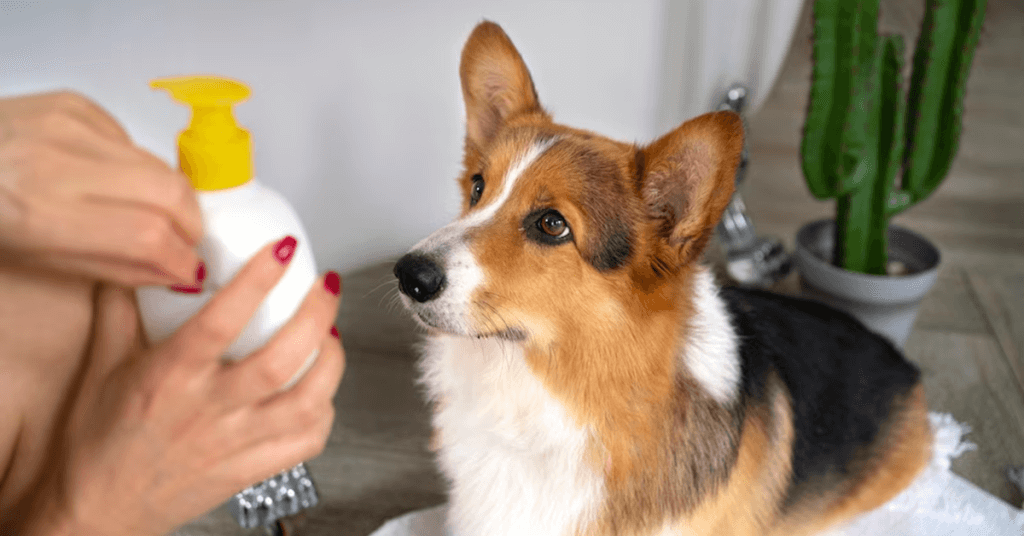
Pets, especially certain breeds, require proper care to ensure their skin is properly groomed. Caring for a pet’s fur can be challenging; only specific hair or skin products can provide the necessary care. Some products you can produce include organic, medicated, or hypoallergenic features, catering to various issues. 

You can sell or market them from your store through vet clinics or retail pet stores. 

11. Pet Photography

Pet Business Ideas to Consider Pet Photography

If you have photography skills, consider creating a pet photography business to capture owners with their beloved pets. Some pet owners love to have portraits or professional photos taken together with their pets. You can opt for professional pictures or to create fun, engaging content for social media purposes. 

12. Pet Furniture

Pet Business Ideas to Consider Pet Furniture

Pet furniture is also a good pet business idea since some owners invest in providing ample comfort for their furry friends. Some common furniture items include beds, houses, and litter boxes. 

You can make the furniture pre-ordered to minimize the upfront costs. But if you have the budget, consider creating or buying them in bulk. 

13. Pet Cafe

Pet Business Ideas to Consider Pet Cafe

Pet cafes are an excellent way for owners to spend time with furry friends. It’s also a chance for pets to socialize with other humans or pets. If you own your pet cafe, you can offer pet-friendly treats and a play area for the pets. Of course, you can also provide human snacks and beverages for the pet owners. 

14. Pet Transportation

Pet Business Ideas to Consider Pet Transportation

Pet owners can be too busy with various daily tasks, so they may not have time to take their pets to the vet or daycare. Starting a pet transportation business can help ease the lives of busy pet owners to transport pets to their desired destinations. 

15. Dog Walking 

Pet Business Ideas to Consider Dog Walking

If you are passionate about walking dogs, you can start a dog walking business. Some busy paw parents have no time to walk their dogs. You can begin to offer dog walking services for a certain fee. Since dogs are required to go on walks, it’s an in-demand service that dog owners are more than willing to spend on. 

Which Pet Business Idea is The Most Profitable? 

Though all of these pet business ideas are profitable, the most in-demand products and services are pet supplements, pet grooming, pet sitting, and pet food. Pet owners require these products or services the most compared to the others, and starting these businesses doesn’t cost much. 

Conclusion

These are some recommended pet business ideas for starting your entrepreneurial journey. However, it’s best to find out the pros and cons of each business idea to choose the one that fits your capabilities and preferences. If you’re interested in pursuing a pet supplement business, contact us at Belive Petscare for more information on kickstarting your new journey!